Industry news
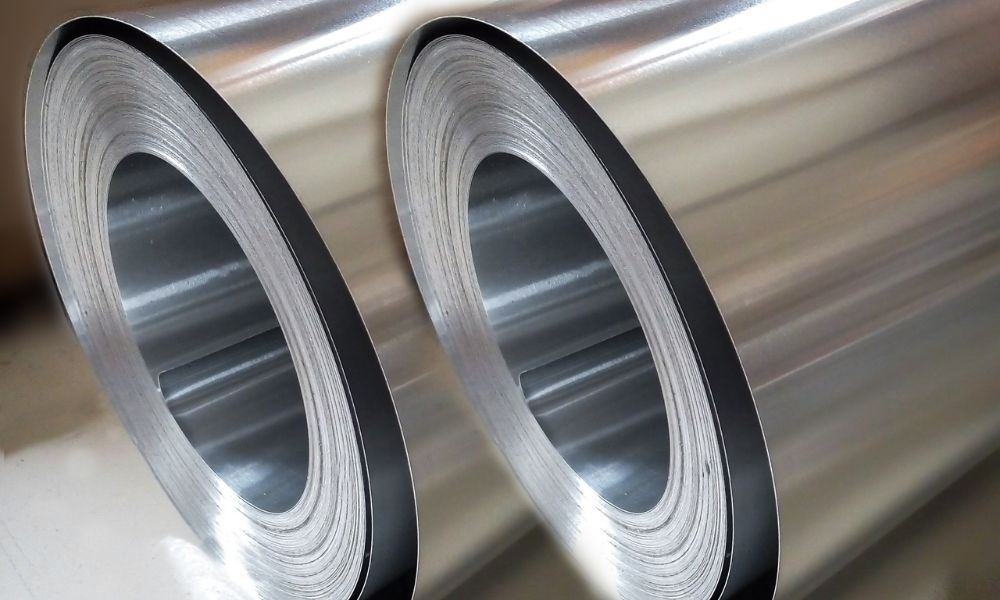


Global market reports indicate that aluminum prices have recorded a strong surge recently, reaching their highest levels in nearly 13 years. This increase has been driven by growing concerns over global supply constraints, alongside sustained strong demand from industrial and energy sectors.
According to market data, aluminum futures rose to trade near $2,924 per metric ton, after briefly touching levels above $3,000 per metric ton, reflecting heightened market anxiety over the stability of global supply chains.
This price rally is attributed to several key factors, most notably political unrest in Guinea, which holds the world’s largest reserves of bauxite—the primary raw material used in aluminum production. Additional drivers include improving industrial demand, a weaker US dollar, and increased spending on infrastructure and energy projects.
Despite the recent gains, market expectations suggest that aluminum prices may experience periods of volatility in the coming phase, as producers attempt to increase supply while demand remains strong across key sectors, including:
Over the medium to long term, market analysts continue to view aluminum as a strategic metal, supported by the global transition toward clean energy and the growing demand for lightweight materials in industrial applications.
Political instability in Guinea remains a major pressure point for the global aluminum market. As the country possesses the world’s largest bauxite reserves, any disruption raises serious concerns about supply continuity.
These uncertainties prompt markets to price in supply risks early, contributing to sustained price volatility and upward pressure.
Among the most significant factors to watch:
Estimates suggest that any potential price pullback would likely represent a temporary correction, rather than a shift in the overall market trend.
For industrial manufacturers, the current market environment highlights the importance of:
Managing metal price volatility is no longer just a purchasing decision—it has become a core part of manufacturing strategy.
At Entag, we help manufacturers turn aluminum and metal price fluctuations into real competitive advantages through:
📩 Contact Entag’s expert team today to discover how smart manufacturing can keep your production line competitive despite ongoing aluminum and metal price volatility.