Technologies
CNC machining industry update 2025 refers to the transformative shifts in precision manufacturing driven by artificial intelligence adoption, smart factory integration, and surging global demand for h
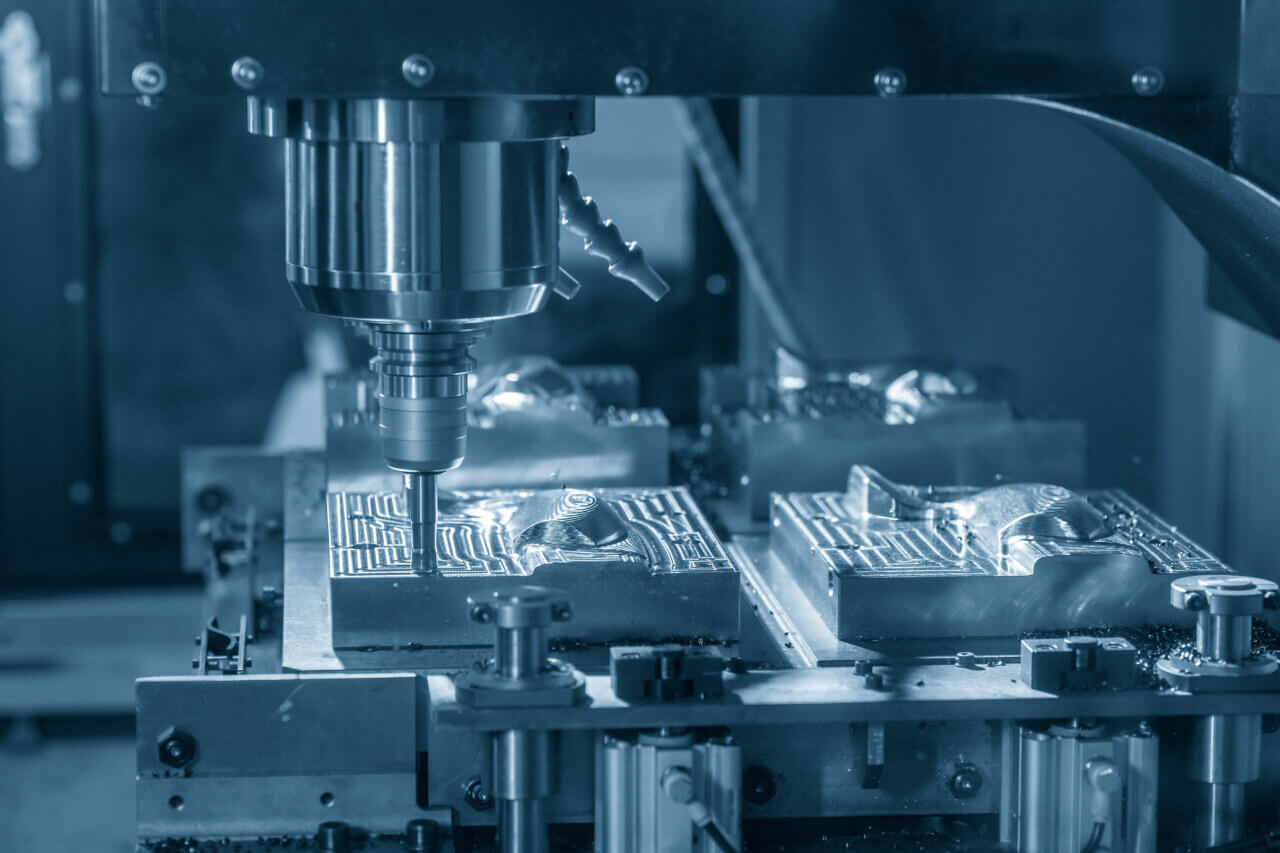


CNC machining industry update 2025 refers to the transformative shifts in precision manufacturing driven by artificial intelligence adoption, smart factory integration, and surging global demand for high-tolerance components. The global CNC machine market is projected to grow from $108.58 billion in
CNC machining industry update 2025 refers to the transformative shifts in precision manufacturing driven by artificial intelligence adoption, smart factory integration, and surging global demand for high-tolerance components. The global CNC machine market is projected to grow from $108.58 billion in 2026 to $251.61 billion by 2034, expanding at an 11.10% compound annual growth rate as manufacturers embrace automation and digital twin technologies.
AI-native machining systems are now mainstream in 2025. Machine learning algorithms optimize cutting speeds, tool life, and surface finish in real time, reducing scrap and cycle time. Smart factories integrate AI-powered monitoring to predict tool failures before they occur, eliminating unplanned downtime. Digital twins—virtual replicas of physical machines—allow engineers to simulate production runs and validate designs before committing material. Manufacturers across Cairo, Alexandria, Jeddah, and Riyadh are adopting these systems to remain competitive in fast-moving markets where precision tolerances and quick turnaround define contract wins.
At Entag, we leverage CNC turning and milling systems that maintain tolerances down to ±0.02mm, meeting ISO 2768 standards for both commercial and aerospace-grade components. This precision capability aligns with the industry's shift toward digitally-controlled, data-driven production.
Supply chain diversification and reshoring initiatives are expanding demand for on-demand precision manufacturing across the Middle East. Electronics manufacturers, automotive suppliers, and medical device OEMs require CNC-machined components with tight tolerances and consistent quality—often in low to medium volumes. Traditional offshore sourcing is no longer reliable; engineers in Saudi Arabia and Egypt increasingly source locally to reduce lead times and improve supply chain resilience. Industries requiring parts with surface finishes from Ra 3.2 to Ra 0.8 and complex geometries are turning to platforms that eliminate minimum order quantities and deliver prototypes to production runs within days, not weeks.
The 2025 shift toward smart manufacturing means procurement windows are narrowing. Suppliers who lack digital infrastructure—real-time quoting, CAD integration, and production visibility—will lose contracts to agile, tech-enabled competitors. Engineers in Cairo and across Egypt evaluating manufacturing partners should prioritize platforms offering transparent timelines, measurable quality specs, and integration with design workflows. The on-demand model eliminates tooling delays and startup costs, making it economically viable to source both urgent repairs and new product development from a single supplier without inventory risk.
What tolerances can modern CNC machines achieve in 2025?
Current CNC machining achieves tolerances between ±0.02mm and ±0.05mm for most materials, depending on part geometry and machine class. Tighter tolerances (±0.01mm) are achievable with EDM or precision grinding, though at higher cost and longer lead times.
Is AI integration mandatory for CNC shops in Egypt now?
No, but AI-powered tool monitoring and predictive maintenance are becoming table-stakes for competitive pricing. Shops without digital monitoring lose visibility into production quality and risk tool failures that delay delivery.
How does on-demand CNC machining reduce procurement costs?
On-demand platforms eliminate tooling setup fees, minimum order quantities, and inventory carrying costs. You pay only for material and machine time, making low-volume and prototype runs economically viable compared to traditional batch manufacturing.
What is a digital twin in CNC manufacturing?
A digital twin is a virtual replica of a CNC machine or production cell that simulates real-world behavior. Engineers use it to validate designs, optimize toolpaths, and predict production bottlenecks before running physical parts.
Why are manufacturers moving away from overseas sourcing for precision parts?
Supply chain disruptions, longer lead times, and quality control challenges have driven nearshoring. Local on-demand suppliers in Egypt and Saudi Arabia now compete on speed and transparency, not just cost.
What surface finishes are standard for CNC-machined parts?
Standard finishes range from Ra 3.2 (rough mill) to Ra 0.8 (polished). Most production parts finish at Ra 1.6 or better. Custom coatings (anodize, powder coat, plating) add 5–10 days and cost per unit.
Ready to start your project? Request a quote on Entag — upload your CAD file and get a price in 24 hours. Explore our full CNC machining capabilities including CNC turning and CNC milling to see how we deliver precision parts on-demand across Egypt and the Middle East.

