Learn how material selection impacts the durability, safety, and performance of sheet metal industrial enclosures. Explore design considerations, IP ratings, and fabrication best practices for heavy-duty enclosures in Egypt and the MENA region.
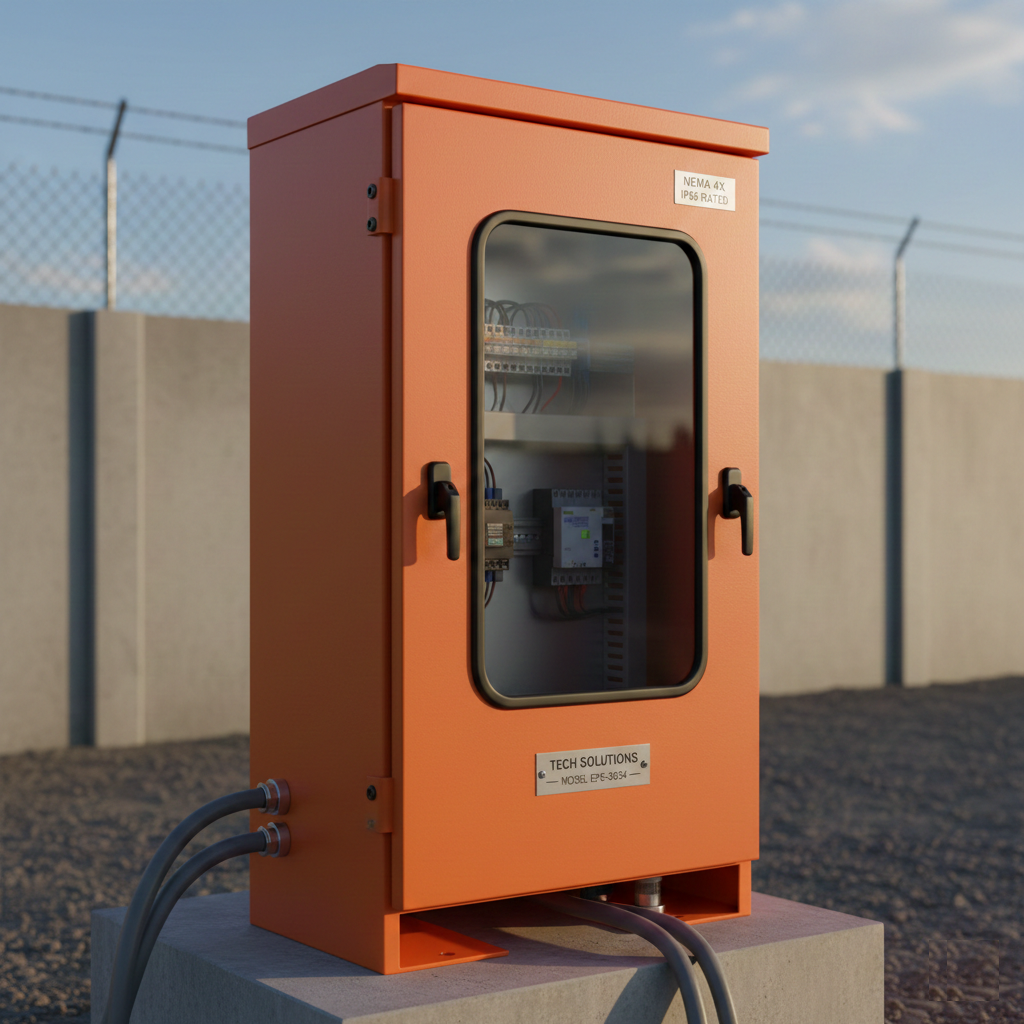


Industrial operations rely on enclosures that withstand heat, dust, vibration, moisture, and continuous use. Whether housing electronics, power systems, or automation controls, sheet metal industrial enclosures demand the right material to ensure long-term safety and durability especially in Egypt’s harsh environmental conditions.
Material selection defines corrosion resistance, structural strength, thermal characteristics, and IP rating potential. Choosing correctly reduces lifecycle cost and prevents early equipment failure.
Material choice determines:
These factors directly impact enclosure reliability, especially for outdoor or heavy-duty industrial environments.
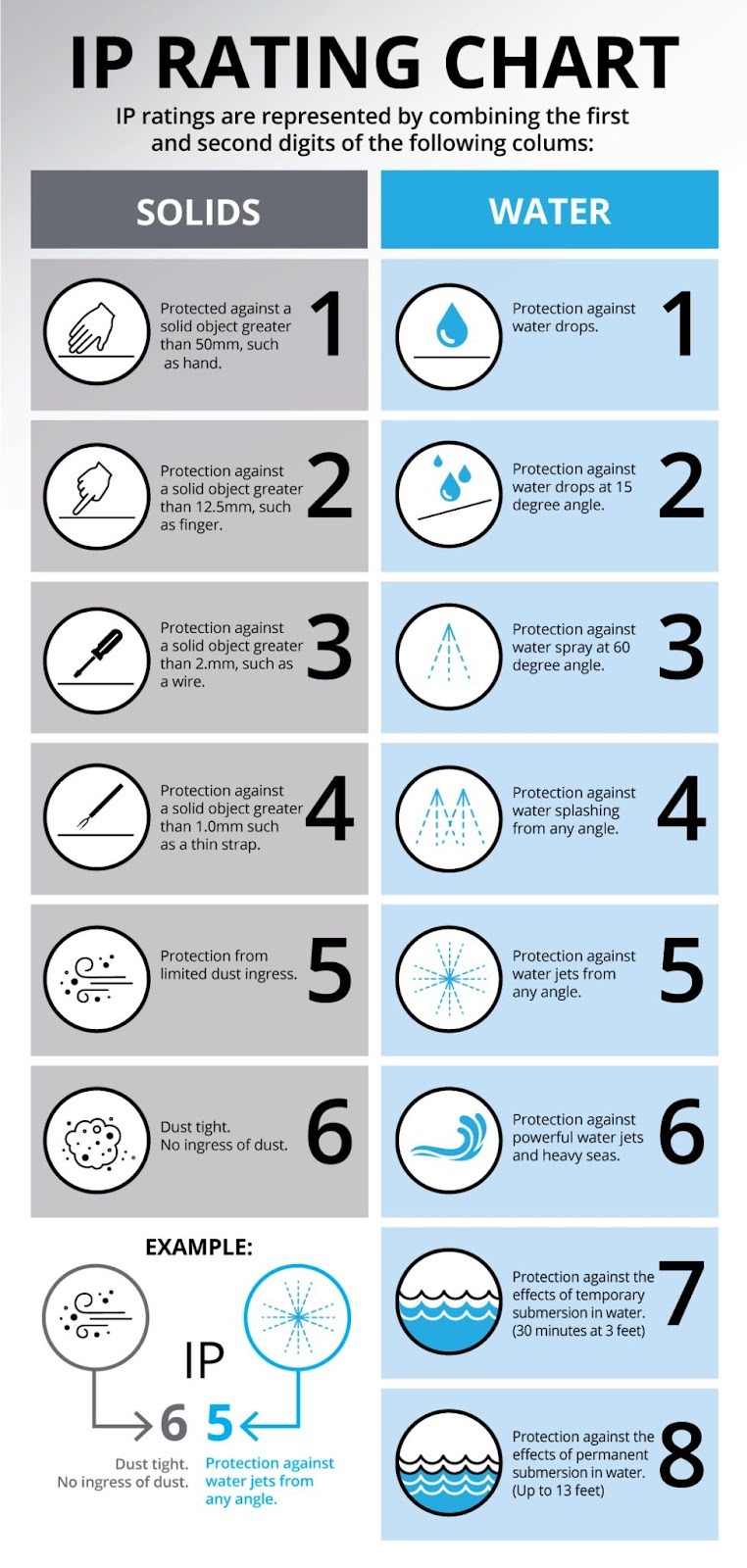
First Digit = Dust Protection
0 = No protection
5 = Dust-protected (limited ingress allowed, no harmful deposits)
6 = Dust-tight (no ingress)
Second Digit = Water Protection
0 = No protection
5 = Water jets
6 = Powerful water jets
This helps engineers match enclosure materials and gasket designs to environmental exposure.
Beyond machined parts, we excel in custom sheet metal enclosure fabrication to house and protect your sensitive electronic or mechanical systems
Often overlooked yet extremely common, mild steel is the baseline material for indoor and general-purpose enclosures.
Strengths:
Weakness:
Mild steel fills the “cost-effective industrial standard” role across Egypt’s manufacturing sector.
Key engineering considerations:
These decisions determine long-term performance in the field.
Challenges include:
Modern CNC press brakes improve repeatability, minimizing rework and ensuring enclosure integrity.
Different materials require different finishes:
Finishing is often the deciding factor between a 5-year and a 20-year enclosure lifespan.
Our expertise in metalwork also includes custom sheet metal fabrication for structural and aesthetic components in high-performance automotive builds
Entag helps engineers evaluate material options, validate manufacturability, and route fabrication to capable sheet metal partners—reducing errors and ensuring enclosures meet industrial performance requirements in Egypt.
These practices raise fabrication quality across Cairo and the wider Middle East.
Effective guarding requires:
Materials vary by application—mild steel for frames, stainless for hygiene-critical environments, aluminum where weight reduction matters.
Engineers must forecast the enclosure’s actual working conditions—not just its installed location.
Choosing the right material for sheet metal industrial enclosures is fundamental to long-term reliability.
Stainless steel withstands severe environments, aluminum suits lightweight and electronic applications, and mild steel offers a cost-efficient solution for general-purpose indoor use.
In Egypt’s demanding industrial climate, optimized material selection—paired with precise bending, protective finishing, and IP-compliant design—ensures enclosures that endure heat, dust, moisture, and continuous operation.