Learn how precision machining is used to manufacture high-accuracy metal components in Egypt. Understand the complete workflow for CNC steel parts, aluminum parts, brass machining parts, molds, gauges, and critical components.
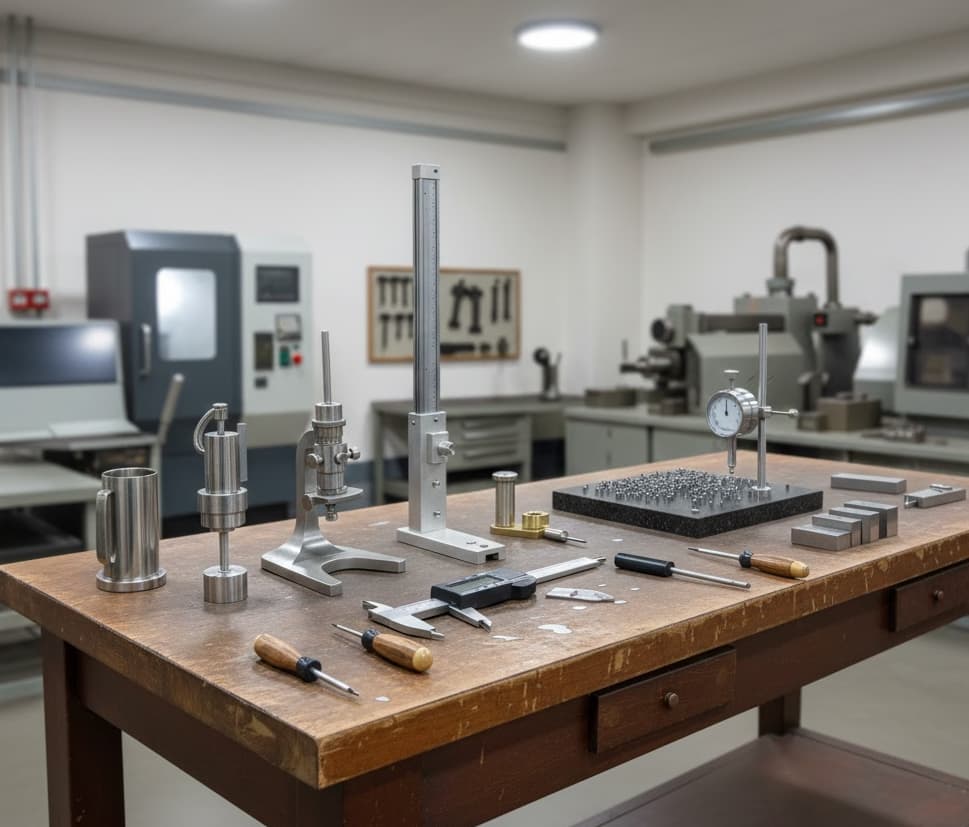


Precision machining is essential for producing high-accuracy metal components used in industrial machinery, automotive assemblies, electronics, valves, locks, molds, and custom spare parts.
In Egypt and the Middle East, the demand for tight-tolerance metal machining parts continues to grow as factories modernize equipment and require reliable, locally manufactured components.
Using CNC turning, CNC milling, and advanced metrology, manufacturers can produce aluminum parts, brass turning parts, CNC steel parts, and tool steel components with consistency, repeatability, and full dimensional control.
Precision machining is the controlled removal of material from metal stock (such as aluminum, steel, brass, or stainless steel) using CNC machines to achieve tight tolerances, complex geometries, and engineered surface finishes.
This process is ideal for manufacturing:
The result is a repeatable part that meets strict dimensional and performance requirements.
Precision machining is a carefully engineered process that transforms raw materials into highly accurate, ready-to-use components. This workflow combines advanced CNC technologies, strict quality control, and optimized production steps to ensure every part meets exact specifications with minimal deviation.
Choosing the right material directly affects machinability, durability, and surface finish.
Common options include:
Selecting the correct alloy ensures strength, machinability, and lifecycle performance.
For highly accurate parts, explore our capabilities in precision metal component manufacturing
A 3D CAD model and a detailed 2D drawing defines all dimensions, tolerances, and functional requirements.
This model is then converted into machine-ready formats for CAM programming.
Engineers define:
For reverse-engineered parts, 3D scanning may be used to generate or verify the geometry.
Computer-Aided Manufacturing (CAM) software generates the toolpaths for CNC machines.
This stage includes:
Precision machining depends heavily on this programming accuracy.
Depending on the part geometry:
Advanced setups allow machining of multi-surface, multi-angle components in a single operation.
Tool steel, high carbon steels, or high chromium parts may undergo:
This increases wear resistance, strength, and overall lifespan, especially for molds, dies, and mechanical components.
Our CNC machined components are engineered for consistency, durability, and perfect fit
After machining, parts may require finishing to improve performance or appearance.
Common finishes include:
Finishes enhance corrosion resistance and dimensional stability.
Precision components must meet strict tolerances.
Quality control methods include:
This ensures each part matches the CAD model within the specified tolerance range.
Proper workholding is essential in ensuring accuracy during CNC machining. Even the most advanced machine cannot produce a precise part if the workpiece is unstable.
Good fixturing reduces vibration, shortens cycle time, and ensures optimal repeatability — especially important for mass production.
Get tailor-made solutions with our custom machined metal parts designed specifically for your application
CNC steel parts, shafts, bushings, and brackets used in factories across Egypt.
Brass machining parts for valves, fittings, locks, and fluid systems; stainless steel parts for corrosion-critical environments.
Tool steel inserts, ejector plates, slides, and core pins for mold manufacturing.
Custom gauges and jigs for repeatable assembly, inspection, and testing.
High-accuracy aluminum parts, housings, and mounting components.
When an imported component becomes unavailable, local precision machining becomes the fastest solution.
Factories in Egypt often operate older imported machines with parts that are no longer available. Reverse engineering restores these components quickly.
This process eliminates long import delays and ensures compatibility with existing equipment.
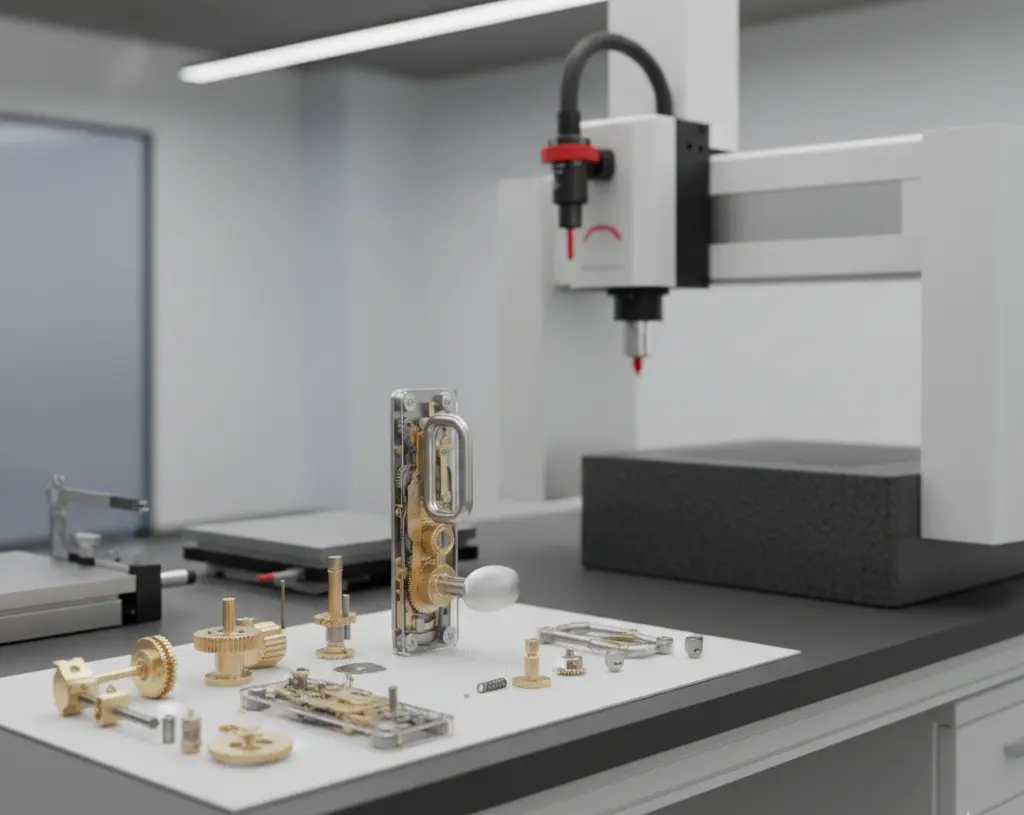
With rising import costs and long lead times, manufacturers in Egypt increasingly rely on local CNC shops to produce critical components quickly and with full quality control.
Local machining offers:
From Cairo to the broader Middle East, precision machining supports industrial reliability and operational continuity.
Why Patner with Entag for Precision Components
Entag acts as a single, accountable machining partner—managing engineering review, production, and quality control across vetted CNC facilities. This ensures every component is delivered to specification, on time, without the uncertainty of dealing with multiple suppliers.
Apply for an instant quote by uploading your files and filling specifications.
Precision machining is the backbone of producing accurate, durable, and repeatable metal components.
Through CNC turning, CNC milling, heat treatment, and advanced inspection, manufacturers can produce aluminum parts, brass machining parts, tool steel components, and stainless-steel assemblies to exact specifications.
For factories across Egypt, investing in high-quality precision machining is essential for maintaining uptime, replacing obsolete components, and producing high-performance engineered parts.