Learn how 1.2738 tool steel base inserts are machined for plastic bottle molds, including material properties, CNC milling, tolerances, and real production use cases.
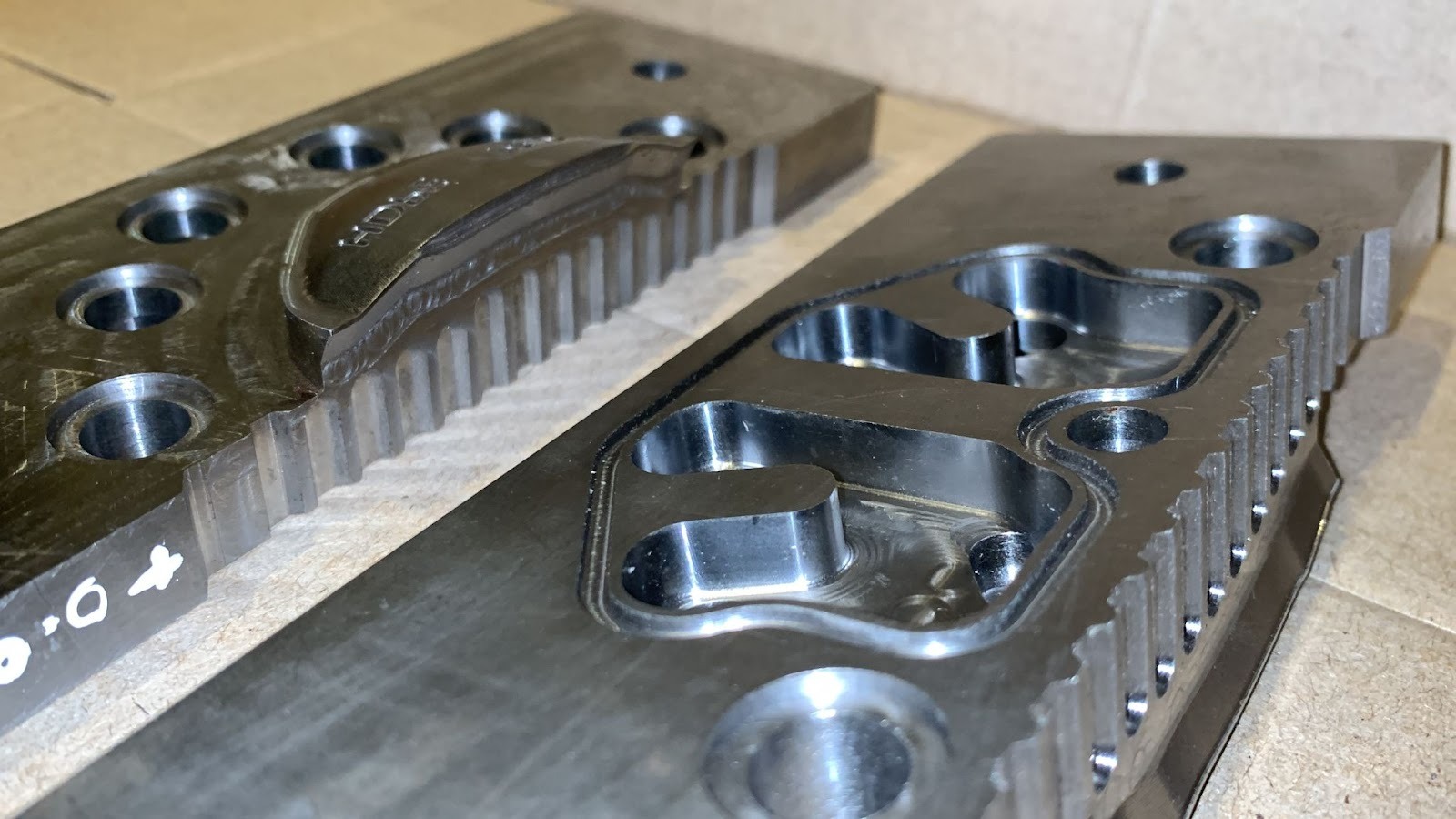


In plastic bottle manufacturing, the base insert is one of the most critical mold components. It directly affects bottle stability, wall thickness consistency, and cycle time. Choosing the right tool steel—and machining it correctly—determines whether a mold runs reliably for millions of cycles or fails prematurely.
1.2738 tool steel is widely used for plastic bottle base inserts due to its toughness, polishability, and stable machinability. This article explains how 1.2738 is selected, machined, and optimized for injection and blow molding applications, based on real manufacturing practice.
1.2738 (DIN / EN standard) is a pre-hardened plastic mold steel, typically supplied at 28–34 HRC. Its nickel alloying improves toughness and core strength, making it well suited for thick mold sections such as base inserts.
These characteristics make 1.2738 a preferred choice for injection mold base inserts and blow molding base inserts used in high-volume production.
Bottle base inserts operate under constant thermal cycling, high forming pressure, and direct contact with molten polymer. At the same time, they often define visible bottle features that must remain defect-free.
For production-focused bottle molds, 1.2738 offers a strong balance between cost, durability, and machinability.
Typical Machining Workflow
Application: Carbonated beverage bottle mold
Outcome:
In high-cavity bottle molds, switching to 1.2738 often reduces maintenance frequency by 20–30%. For a complete bottle manufacturing system, pair our aluminum necks with durable tool steel base inserts for plastic bottles
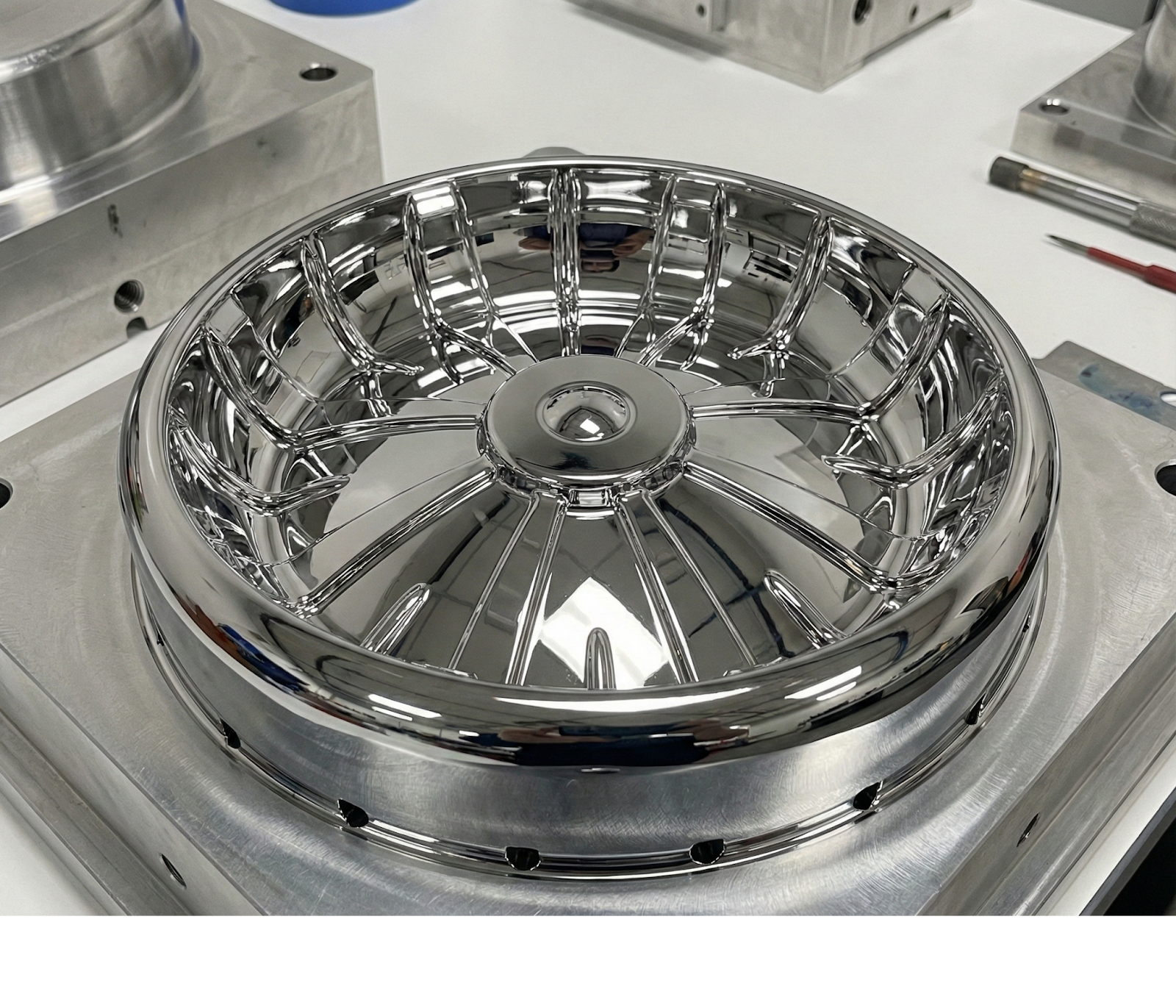
Bottle bases combine structural and cosmetic requirements, making surface finish critical.
The nickel content in 1.2738 supports deep polishing without material pull-out, even in high-stress areas.
Ensure your production line's reliability by using our matched tooling sets, including 1.2738 tool steel base inserts and expander arms
Aluminum remains suitable for early-stage testing, while tool steel is preferred for production molds.
Our 1.2738 tool steel base inserts are designed for high-wear areas, offering exceptional durability in continuous molding operations
Is 1.2738 suitable for blow molding applications?
Yes. It performs well in both injection and blow molding base inserts.
Can 1.2738 tool steel be repaired or welded?
Yes, with proper preheating and compatible filler material.
Is additional heat treatment required after machining?
No. 1.2738 is typically supplied pre-hardened.
What is the typical lead time for machining a base insert?
Most inserts are completed within 3–7 working days, depending on complexity.
1.2738 tool steel remains a dependable material choice for plastic bottle base inserts, offering a balance of toughness, machinability, and surface quality. When machined and finished correctly, it supports high-volume bottle production with consistent performance and reduced maintenance.
For teams developing or maintaining plastic bottle molds, sourcing properly machined base inserts can significantly improve mold reliability and production stability. Entag supports this process by connecting manufacturers with experienced partners capable of delivering precision mold components on demand.