Discover why Aluminium 7075 neck inserts are critical for plastic bottle production. Learn about CNC machining, tolerances, tooling performance, and on-demand manufacturing in Egypt.


In plastic bottle manufacturing, the neck finish is one of the most critical features of the product. It determines cap fit, sealing performance, torque consistency, and overall consumer experience. At the heart of this process are neck inserts—precision tooling components installed inside blow molding or injection molding molds to form the bottle neck geometry.
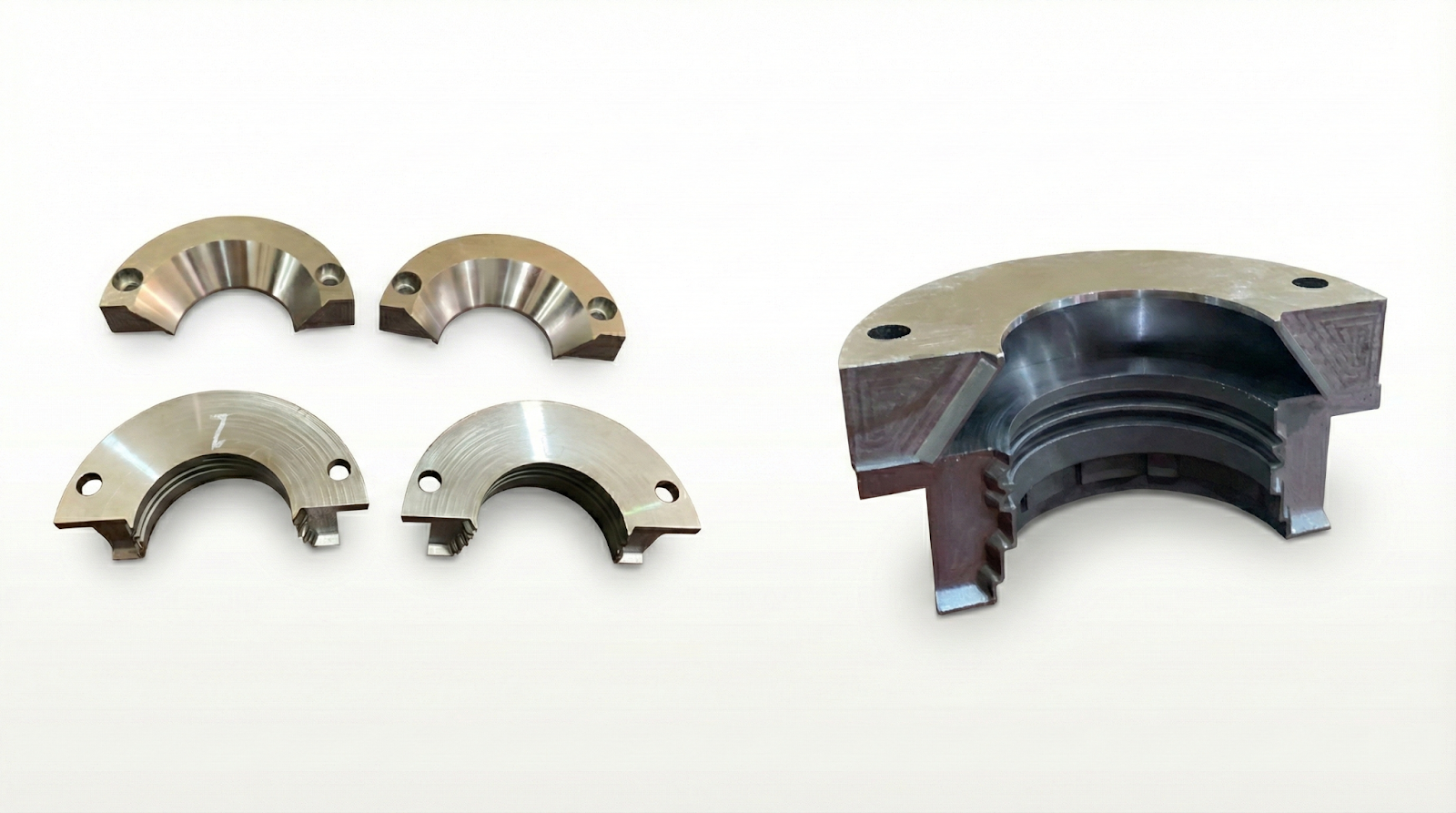
Among the available materials, Aluminium 7075 neck inserts stand out for their strength, wear resistance, and machinability. When produced correctly through CNC machining, these inserts deliver long service life, tight tolerances, and consistent bottle quality across high-volume production runs.
This article explains how Aluminium 7075 CNC machined neck inserts are manufactured, why they are used, and what manufacturers should consider when sourcing them—especially in an on-demand manufacturing environment in Egypt.
Neck inserts are removable tooling components used in:
They define the internal and external geometry of the bottle neck, including:
Because these features interact directly with caps and closures, even minor dimensional deviations can cause leaks, cap misfit, or excessive torque during capping.
This is why plastic bottle neck insert manufacturing requires precision machining and stable materials.
Aluminium 7075 is a high-strength aluminum alloy commonly used in aerospace and high-performance tooling. For neck inserts, it offers a unique balance of properties.
Compared to softer aluminum grades, 7075 maintains thread definition longer. Compared to tool steel, it offers faster machining, easier modification, and lower tooling cost—especially for medium to high production volumes.
Our durable aluminum neck inserts for bottles are engineered to withstand high-speed production cycles and ensure leak-proof seals
High-quality CNC machined aluminum inserts depend on controlled machining strategies and proper tooling.
Tolerances for neck inserts are typically tight:
Poor machining accuracy at this stage directly translates into scrap bottles and line stoppages downstream.
Blow molding neck insert parts are used across multiple packaging segments:
In injection molding metal parts, aluminum 7075 inserts are often used in:
Their removability allows manufacturers to change neck standards without rebuilding the entire mold—an important advantage for packaging lines serving multiple SKUs.
Many manufacturers in Cairo and across Egypt choose aluminium 7075 for its balance of performance and cost—especially when combined with on-demand metal fabrication.
A plastic packaging manufacturer producing PET beverage bottles faced frequent quality issues with cap leakage and inconsistent torque. Their existing neck inserts showed premature wear, and replacement lead times exceeded three weeks—causing production interruptions. They also wanted a pair of striker plates
Entag took full ownership of the manufacturing process. The original insert geometry was reviewed and optimized for machinability and sealing performance. New Aluminium 7075 neck inserts were produced using multi-axis CNC machining, ensuring precise thread geometry and improved surface finish on the sealing face.
To ensure accuracy, first-article inserts were inspected using dimensional verification against the CAD model before batch production. The inserts were delivered through Entag’s on-demand manufacturing workflow, eliminating long supplier delays.
This case highlights how properly engineered CNC machined aluminum inserts directly impact packaging quality and operational stability. For superior wear resistance in demanding applications, consider our high-strength aluminum 7075 neck inserts as part of your tooling solution
Precision tooling demands rigorous inspection. For neck inserts, quality control typically includes:
In advanced setups, 3D scanning may be used to overlay the manufactured insert against the 3D CAD model, quickly identifying deviations that point-based inspection might miss.
Entag integrates these inspection steps to ensure every insert performs consistently on the production floor.
With growing demand for flexible packaging and shorter product cycles, on-demand manufacturing has become essential. Instead of stocking large quantities of tooling, manufacturers can now:
In Egypt, particularly in Cairo, this model supports fast-moving packaging lines while maintaining international quality standards. Entag operates as the single accountable manufacturing interface—managing machining, inspection, and delivery to control quality and eliminate variability.
Aluminium 7075 neck inserts play a decisive role in plastic bottle quality, cap performance, and production efficiency. When precision CNC machining, proper material selection, and disciplined quality control come together, manufacturers achieve consistent results and longer tooling life.
For plastic packaging operations seeking speed, flexibility, and reliability, on-demand CNC machined aluminum neck inserts offer a proven solution—especially when managed through a controlled manufacturing partner rather than fragmented sourcing.
We manufacture a complete range of precision plastic bottle manufacturing inserts, including necks, bases, and cores, to optimize your production line
If your production line depends on reliable neck finishes and consistent cap sealing, Entag delivers custom Aluminium 7075 neck inserts with speed, precision, and full quality control.
Upload your design today and get an on-demand quote for CNC machined neck inserts—manufactured in Egypt, built for performance.